
Contractor Cabinet Packages in Baltimore, MD
Put quantities and project requirements into a cabinet package brief.
Send my cabinet inquiry
Or call (562) 203-3232. Calls only, we do not receive text messages.
A contractor cabinet package starts with a controlled product schedule, not a promise of trade pricing. Baltimore Cabinet Ledger helps Baltimore contractors and property buyers prepare order quantities, unit labels and substitution questions for a possible seller. The useful distinction is between a room list everyone can verify and a collection of requests that change while the purchase is being discussed.
- Independent buying guidance
- Product inquiries
- Seller availability confirmed separately
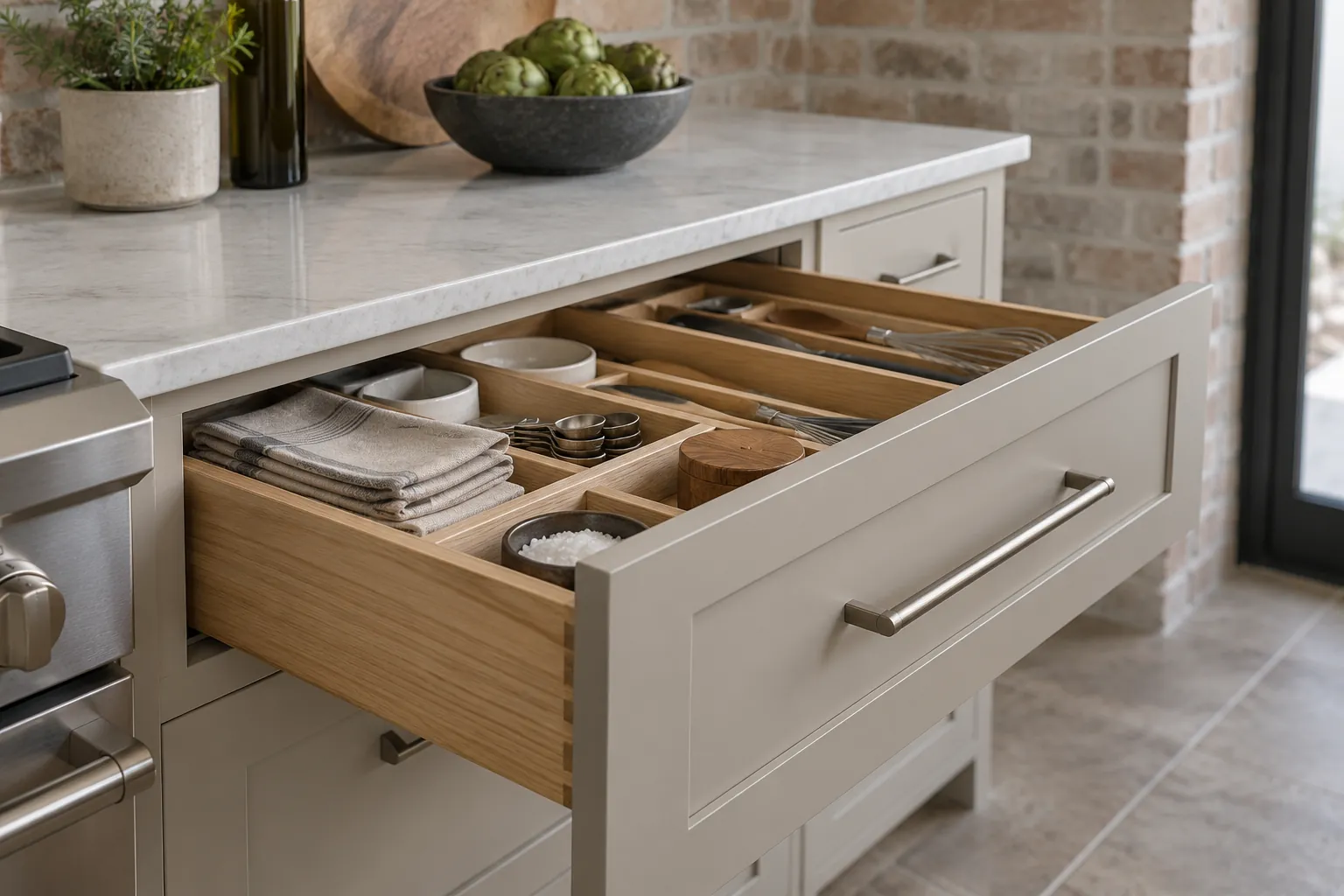
Buying questions: contractor and property cabinet packages
This is a procurement information and referral request channel rather than a construction crew or established trade account. A seller must decide whether it accepts the business, project address and proposed order. Describe purchasing authority, delivery stages and assembly requirements clearly, then confirm the actual commercial conditions directly before relying on a package arrangement.
About Baltimore Cabinet Ledger
Know who handles each part
Independent cabinet buying information and quote-request service. We do not manufacture, stock or install cabinets. A referral, supplier response, appointment or purchase is not guaranteed. Product availability, delivery and installation must be confirmed directly with the seller or separately engaged contractor.
Give the package a unit by unit structure
Build a bill of materials that connects each product to a specific room or property unit. Use clear labels for the project, room and drawing revision. Include quantities, product codes when selected, dimensions and finish decisions. If a package covers several rooms, keep their schedules distinguishable rather than placing every item into a single unlabeled total.
Separate repeated selections from genuine exceptions. A room with a different appliance opening, exposed end or door arrangement may need its own item even when the other rooms share a standard selection. Mark the exception and explain what drives it. That lets a seller assess a repeatable package without overlooking the one configuration that cannot use the same products.
Identify who approves the schedule for purchase. A project manager may gather requirements while another party controls payment or final design approval. State those roles in the inquiry and keep changes within the agreed channel. A seller should not have to choose between contradictory instructions from an owner, supervisor and installer. The package record needs one identifiable accepted version before it becomes an order.
Make alternates visible without losing the original scope
Ask a seller to show substitutions or alternate product lines as separate proposals. An alternate should identify what it replaces, the relevant differences and any consequences for the room schedule. Similar exterior appearance does not establish identical dimensions, included fittings or compatible trim. Have the responsible project reviewer evaluate those consequences before accepting a change.
For a repeated order, assess whether the alternate affects every unit or only an exception. Mixing products may introduce a visible or functional difference that needs owner approval. Record which rooms receive each accepted selection and keep that information with the receiving labels. The buyer should be able to trace an individual carton to the approved package without reconstructing a purchasing conversation.
Define how future substitutions are handled if a selected item cannot be supplied. Ask whether the seller will seek written approval and issue an updated schedule. Do not give an open ended instruction to use anything similar unless the responsible buyer understands and accepts the implications. A controlled alternate process is a purchasing question, not an assurance that any particular seller has the requested inventory.

Evaluate package price and commercial conditions
Request a product amount tied to the final quantities and selected specifications. If a seller offers any trade or volume condition, ask how eligibility is established and which order it applies to. This page does not claim a discount, credit arrangement or existing commercial account. A package can be useful because its schedule is organized even when no special pricing is available.
Ask for assembly, freight, delivery stages and handling to be identified separately or clearly included. Confirm taxes and other applicable charges. For several project units, understand whether splitting the shipment or changing quantities changes the offer. A room total is not a complete comparison when one seller assumes a single shipment and another has priced different receiving arrangements.
Read payment authority and purchasing terms alongside the amount. Determine who accepts the quote, how an order is placed and what changes can be made afterward. Request the applicable return and cancellation conditions rather than assuming unused products can always be returned. A project contingency should be discussed explicitly with the seller, since ordering additional pieces can create its own obligations.
Arrange receiving by room and project stage
Identify the person who receives each shipment and the location where it will be checked. A bulk purchase still needs a workable site access plan. Explain whether the delivery goes to an occupied property, a controlled work site or another storage location, and ask what the seller's service actually includes. Confirm that the receiving arrangement is accepted before treating it as part of the package.
Use the approved unit labels to sort and inspect the order. Ask for product identification that makes repeated items and exceptions distinguishable. Keep the supplier packing information with the receiving record, and agree how shortages or visible issues are reported. The seller's documentation requirements should be understood before purchasing, particularly when several people may handle the products.
Discuss delivery stages against actual project readiness. If rooms will be available at different times, determine whether the supplier accepts a staged plan and how that affects pricing and terms. Do not describe an approximate project calendar as a guaranteed receiving date. Storage conditions, site access and the party responsible for inspection need confirmation for each stage.

Hand the product schedule to the responsible trades
The package should not silently absorb installation or other construction scope. Give the separately engaged installer the accepted product list and instructions, and ask that party to confirm what it needs before work starts. Coordination with countertops, plumbing and appliances should be handled by the people actually responsible for those interfaces. This information channel does not act as the project superintendent.
Keep completion of a purchase separate from readiness for installation. A verified shipment may still need assembly, room preparation or resolution of a product issue. Ask how the project parties communicate those matters and who can authorize a revised plan. An orderly handoff explains what arrived, what was checked, what remains open and which document governs the next step.
A Baltimore inquiry can summarize the unit count, project locality, available drawings, product preferences and desired purchasing format. Explain whether you need an initial supplier discussion or a quote on a controlled schedule. A referral remains conditional on a business accepting the request. Before relying on an offer, confirm the seller's identity, actual trade terms and the authority of the person agreeing to the purchase.
Inquiry process
From buying questions to a possible supplier quote
Sending an inquiry does not reserve products or book work.
Describe the purchase
Include project ZIP, room, approximate cabinet list and preferred timing.
Clarify requirements
Identify assembly, access, measurements and any separately arranged labor.
Confirm referral availability
An inquiry can be referred only if a suitable seller accepts the location and product request.
Review seller terms
Confirm the final drawing, itemized price, payment, delivery and return terms directly before ordering.
Illustrative product choices
Illustrative product visualizations, not completed work, local properties or supplier facilities.
Local buying information
Local inquiry guides
Questions
Contractor and Property Cabinet Packages: Common Questions
Does ordering a package guarantee contractor pricing?
No trade discount or commercial account is established here. An accepting seller must state any eligibility requirements and applicable offer directly. Request the price for the actual item schedule, including services and fees, rather than budgeting from an assumed benefit attached to the word contractor.
How should a package cover rooms with small differences?
Use separate room labels and identify the items that differ from the repeated selection. Link each exception to its drawing or requirement so that the seller can quote it explicitly. Keep approved differences in the receiving schedule to prevent a similar looking item from being placed in the wrong room.
Can shipments be divided across project stages?
Ask the prospective seller whether it accepts that arrangement and what it changes about delivery fees, payment and order terms. State the intended receiving locations and responsible parties. A requested sequence is only a planning proposal until the business confirms its actual ability and conditions.
Who handles an item substituted after the quote?
The seller should explain the proposed substitution, while the authorized buyer and responsible layout reviewer assess its consequences. Obtain an updated item schedule before approving the change. Do not assume a substituted product has identical fit, finish or included components merely because it serves the same general purpose.
Talk to us about contractor and property cabinet packages
Describe the purchase and project ZIP in Baltimore. Supplier acceptance and any referral are confirmed separately; no visit or quote is booked by this form.
Calls only, we do not receive text messages.