
RTA and Assembled Cabinets in Baltimore, MD
Compare assembly requirements alongside cabinet construction and order details.
Send my cabinet inquiry
Or call (562) 203-3232. Calls only, we do not receive text messages.
Choosing between RTA and assembled cabinets changes the work around a Baltimore purchase, not just the shape of the shipment. Baltimore Cabinet Ledger helps you compare assembly requirements, package access and the person responsible for checking the finished units. A smaller carton may simplify one part of receiving while adding work that needs tools, space and a clear agreement.
- Independent buying guidance
- Product inquiries
- Seller availability confirmed separately

Buying questions: rta and assembled cabinet buying
Begin with the proposed product instructions and receiving route before deciding which format suits the project. Neither option is automatically cheaper or easier for every buyer. This information service does not assemble products or hold inventory; an accepting seller and any separately engaged assembly or installation business must explain their own scope and terms.
About Baltimore Cabinet Ledger
Know who handles each part
Independent cabinet buying information and quote-request service. We do not manufacture, stock or install cabinets. A referral, supplier response, appointment or purchase is not guaranteed. Product availability, delivery and installation must be confirmed directly with the seller or separately engaged contractor.
Compare the actual forms of the purchase
Ask a seller exactly how the proposed line arrives. Ready to assemble can describe a product that needs substantial box assembly, while another item might arrive with certain components already prepared. Assembled does not necessarily mean every door, fitting or accessory is ready for its final use in the room. Have the seller identify the remaining steps instead of assigning responsibilities from the format name alone.
Look at a representative instruction document before selecting the format. Note how parts are identified, what tools or materials are specified and which operations require particular care. Ask whether the product documentation covers the chosen configuration, including drawer or specialty units. A familiar basic box does not establish that every item in a mixed order follows the same procedure.
List the assembly tasks alongside the ordering schedule. If you intend to engage someone else, obtain that person's agreement to the actual products and scope before committing. If you are considering doing the work yourself, evaluate the instructions honestly against your experience and available workspace. The purchasing decision should recognize who can complete the required work and how problems will be handled.
Test the passage and workspace assumptions
Get both carton dimensions and completed unit dimensions where relevant. A flat package and a finished tall box create different questions at a narrow doorway, a stair turn or an interior corridor. Follow the receiving route all the way to the intended work or storage area. Ask the responsible receiving party to assess the proposed order rather than treating a single entrance measurement as a complete access check.
Assembly also needs a suitable place to organize components and protect surfaces. Think through where cartons are opened, where hardware is kept and how a completed unit moves from that location to the room. An order that seems compact while packaged can occupy considerably different working space once separated into components. Confirm requirements in the actual instructions and discuss them with the person doing the work.
For a managed property, ask about rules affecting deliveries, staging and assembly activity. For a house, identify which areas are usable and what existing belongings need to move. These are property questions, not assumptions about all Baltimore homes. The format should fit the real receiving and work plan rather than depend on a space or permission that has not been confirmed.

Include assembly in the cost comparison
Compare offers for the same usable product outcome. Start with the item schedule, finish and included fittings, then add the separately stated cost of assembly where applicable. Ask who supplies any specified additional materials and who checks the completed boxes. A lower product price alone does not show that the entire purchase arrangement costs less once those responsibilities are included.
Transport and handling can differ between formats, so request actual seller terms rather than assuming flat cartons always mean lower freight expense. Identify pickup, delivery and receiving assistance as distinct considerations. Confirm whether the proposed shipping or service amount relates to your address and chosen order. This page supplies no comparative savings figure because actual products and logistics have not been quoted.
Time spent on assembly is another planning input, but it should not become an invented completion promise. Ask the responsible party how it schedules the selected work and what information it needs to make that assessment. Keep any uncertain assembly date separate from the dates for installation or adjoining trades. Budgeting is more useful when product and service obligations are visible rather than hidden behind a format label.
Agree how parts and completed units will be checked
Ask the seller how to verify a delivered order before beginning assembly. Understand the label system, the included parts list and the process for reporting shortages or visible damage. Read the applicable reporting conditions before ordering, including what evidence the seller requires. Do not assume that unpacking or assembling a product leaves every return or remedy option unchanged.
Keep identifying information with each unit as the work progresses. A project can contain similar looking components intended for different locations, so labels and item codes help preserve the link to the room schedule. Ask the assembler how it records completed items and raises questions about missing or ambiguous parts. A written handoff can make later checking much easier than a room full of unmarked boxes.
Once units are assembled, the responsible person still needs to evaluate them against the product instructions and intended arrangement. Confirm how defects, mistakes or compatibility concerns are escalated before installation proceeds. Neither this website nor a referral automatically accepts that inspection duty. The seller, assembler and installer may be separate parties whose roles need direct agreement.
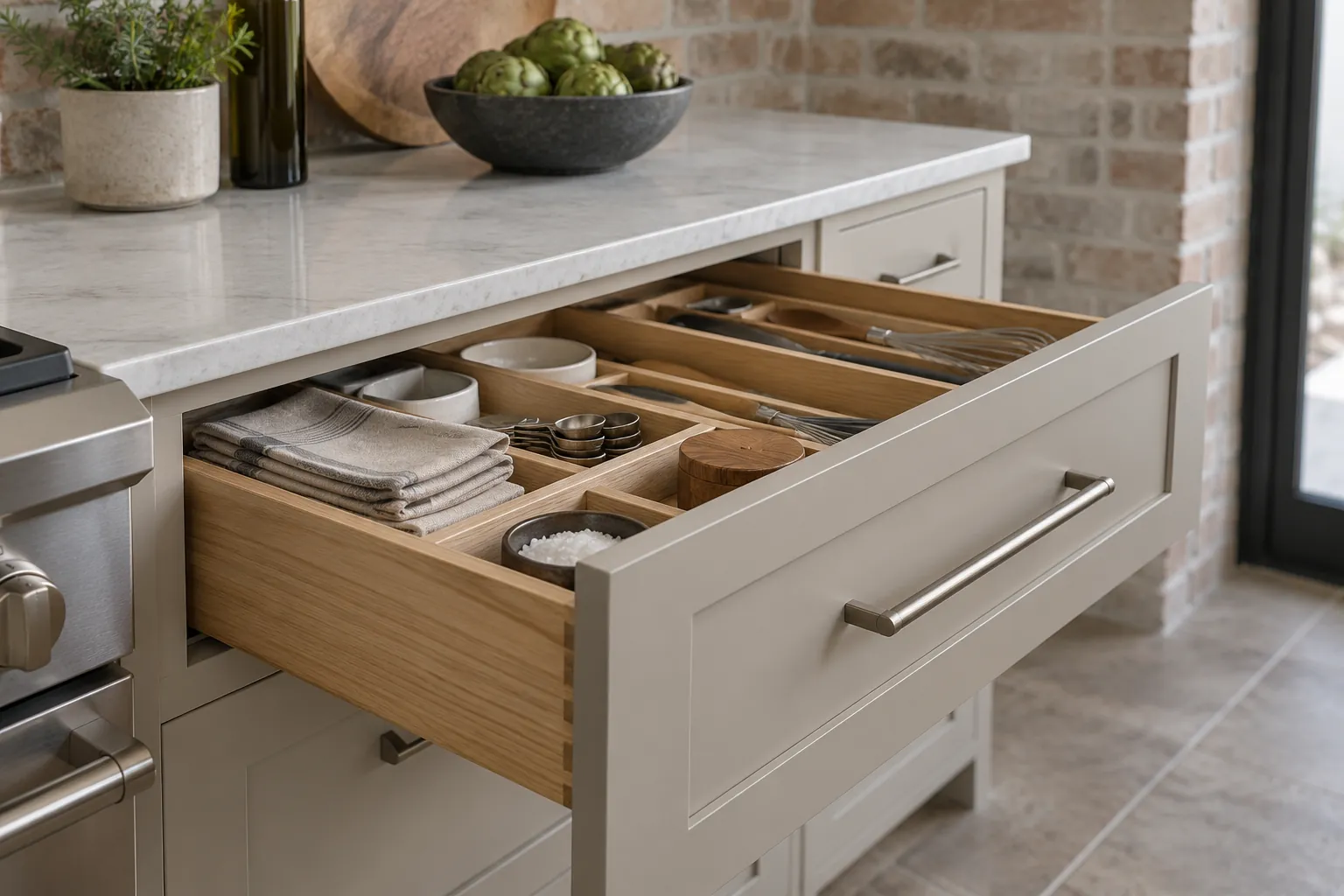
Make the format choice part of the order record
Write the agreed format on the final schedule and ask the seller to identify any exceptions. A purchase might mix a particular assembled unit with other products supplied as components; those differences should be explicit. Check whether a proposed substitution changes the assembly or passage assumptions. A format change can affect the receiving plan even when the exterior style remains similar.
Preserve the relevant instructions and purchasing terms with the accepted order. Ask whether assembling the product yourself or through another business affects any seller requirements for returns or written warranty claims. Obtain the actual documents instead of inferring terms from an online description. A responsible decision can favor either format, provided that its conditions and remaining work are understood.
For a possible Baltimore referral request, explain the product format being considered, who would assemble it and where the delivery must go. Describe the constraints that led to the comparison, such as an interior passage or a limited work area. That gives a potential seller a useful question to address. The inquiry itself does not confirm stock, arrange assembly or establish that either option can be fulfilled.
Inquiry process
From buying questions to a possible supplier quote
Sending an inquiry does not reserve products or book work.
Describe the purchase
Include project ZIP, room, approximate cabinet list and preferred timing.
Clarify requirements
Identify assembly, access, measurements and any separately arranged labor.
Confirm referral availability
An inquiry can be referred only if a suitable seller accepts the location and product request.
Review seller terms
Confirm the final drawing, itemized price, payment, delivery and return terms directly before ordering.
Illustrative product choices
Illustrative product visualizations, not completed work, local properties or supplier facilities.
Local buying information
Local inquiry guides
Questions
RTA and Assembled Cabinet Buying: Common Questions
Does RTA always mean the smallest possible package?
No package size should be assumed from the category alone. Ask for the dimensions and handling information of the actual proposed items. Large panels or mixed configurations may create their own access questions. Compare those details with the full route into your property and with the workspace required by the assembly instructions.
Can assembled products still need work before use?
They may have remaining steps described by the seller or product instructions, such as attaching specific components or making final adjustments. Request an explicit description of what is supplied and what is left to the responsible project party. Do not interpret the format label as a complete installation agreement.
Who should keep the parts list and carton labels?
Agree a clear record keeping responsibility with the receiving and assembly parties. Keep the information needed to associate each item with the purchase schedule and to report an issue under the seller's procedure. Avoid discarding identifying material until the required checks and applicable instructions have been understood.
Can this inquiry book someone to assemble my order?
No assembly booking is established by sending a request. You can describe the need as part of a possible product referral, but an accepting business must state its actual services and terms. Any separate assembler should review the chosen instructions and agree directly to responsibility before you rely on that arrangement.
Talk to us about rta and assembled cabinet buying
Describe the purchase and project ZIP in Baltimore. Supplier acceptance and any referral are confirmed separately; no visit or quote is booked by this form.
Calls only, we do not receive text messages.