
Cabinet Buying Near Baltimore, MD
Bring your project details together before considering a cabinet purchase.
Send my cabinet inquiry
Or call (562) 203-3232. Calls only, we do not receive text messages.
Locality matters to a cabinet inquiry because a seller needs to assess an actual property and receiving arrangement. Baltimore Cabinet Ledger organizes buying questions for Baltimore and selected nearby places without presenting a county map as supplier coverage. Begin with the project address, room requirements and delivery access you can verify, then ask which business can accept those conditions.
- Independent buying guidance
- Product inquiries
- Seller availability confirmed separately
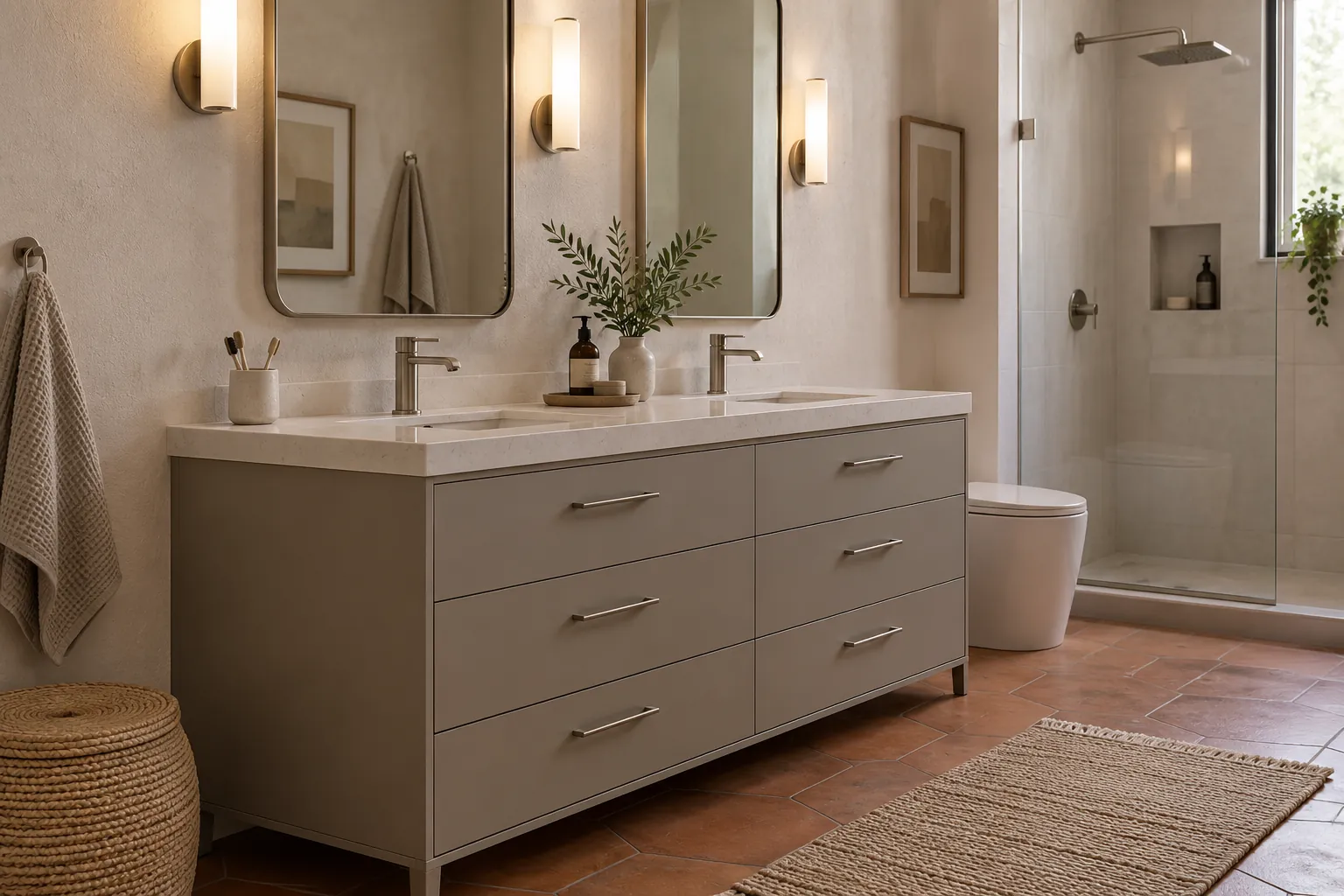
Project location changes the buying questions
Baltimore city and Baltimore County are separate project contexts. Towson, Catonsville and Parkville also need their own property information rather than a shared description of every nearby house. The pages below explain different purchasing decisions; they do not establish accepted ZIP codes, a local warehouse or an existing merchant relationship.
About Baltimore Cabinet Ledger
Know who handles each part
Independent cabinet buying information and quote-request service. We do not manufacture, stock or install cabinets. A referral, supplier response, appointment or purchase is not guaranteed. Product availability, delivery and installation must be confirmed directly with the seller or separately engaged contractor.
Local buying information
Local buying guides
Use locality to identify a real project
State where the room is located, not only where the person making the inquiry lives. If a contractor purchases for another address or an owner considers pickup, describe those roles separately. The final destination can affect a seller's decision about services even when the products are the same. Include enough location information for a preliminary assessment without treating a broad place name as confirmed acceptance.
For Baltimore city, do not substitute Baltimore County merely because both names appear in a wider regional description. Confirm the actual property jurisdiction through appropriate records or responsible contacts when the work requires that information. This buying guide does not determine permit requirements or assess a property's approvals. The product request and any related construction scope need their own checks.
Describe the building type and receiving route that actually apply. A narrow house passage, a managed entrance and a straightforward storage area call for different questions, but no one pattern defines a locality. Ask what the seller needs to evaluate the arrangement. This is more useful than relying on a service area paragraph that never identifies the requested products or handling responsibilities.
Choose the local question that matches your property
The Towson guide focuses on responsibilities when the room owner and building access contact may be different people. Its official community plan context concerns town center development and nearby residential areas. That context is a reason to ask about the actual property type, not evidence that a particular building has an elevator, management rule or accepted delivery service.
The Catonsville guide examines how a purchase meets the existing room and retained features. The Old Catonsville inventory documents a variety of houses, including detached examples and duplexes. A buyer should still use a measured survey and identify the actual openings, finishes and transitions. Historic documentation does not substitute for those dimensions or establish a regulatory conclusion.
The Parkville guide separates postal wording and planning context from commercial acceptance, then compares pickup and delivery responsibilities. The county plan inventory groups Parkville with Carney and Cub Hill, but a seller need not use that grouping as its business boundary. Describe the proposed destination and order rather than assuming neighboring names imply identical fulfillment options.
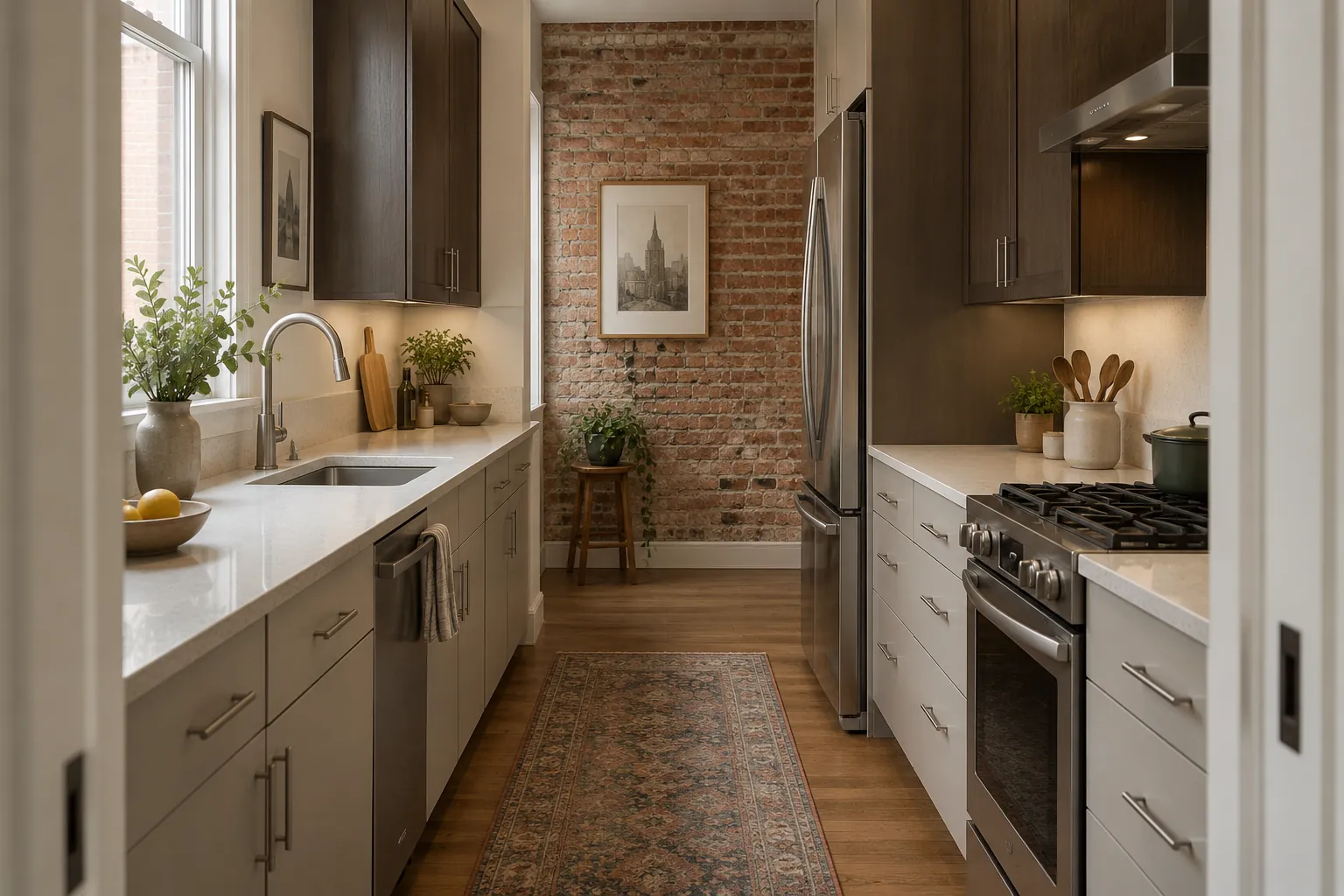
Apply purchasing discipline to different rooms
Every inquiry benefits from a dated room record and an identified planning stage. Make clear whether dimensions are approximate, professionally verified or still awaiting review. Describe the selected appliances or keep the relevant choices marked as open. Local buying information should help expose uncertainty, not encourage an unsupported claim that a standard local kitchen size is already known.
Product lists also need traceable quantities and specifications. Ask a possible seller for an item schedule that identifies the proposed units, finish and included fittings. For several rooms, preserve separate labels so that an exception does not disappear inside a bulk quantity. A locality can identify the project conversation; the drawing and product documents identify what would actually be purchased.
Confirm who approves changes. A prospective seller may offer an alternate line, a different configuration or another receiving method. Have the responsible buyer and layout reviewer assess the consequences before acceptance. Keep the accepted version with the quote and communicate when a previous instruction is replaced. Those habits are useful across the region without claiming past projects in any neighborhood.
Compare price without inventing a local rate
A meaningful price depends on the selected items and the services an actual business accepts. Request the product amount, then clarify assembly, pickup, delivery and handling conditions. Identify taxes and seller fees. This site gives no universal Baltimore area price or locality surcharge because the purchase and responding business have not been established.
If access differs between two properties, ask the seller how it affects the proposed service and quote. The seller may need more information before making that determination. Separately arranged receiving help or installation work can have its own agreement and expense. Do not interpret general county context as a promise that those responsibilities are included with the cabinets.
Compare offers using the same assumptions and keep optional choices separate. A product format, finish or storage alternative can alter the order and its logistics. Ask what changes and why before choosing the lowest total. Locality guides can improve the questions you ask, but only actual written offers provide a basis for judging the price and purchasing conditions.
Confirm commercial coverage instead of presuming it
A possible referral depends on a business accepting both the request and the location. The presence of a page for a place does not reserve its suppliers or guarantee service at an address. Describe the room, products, receiving constraints and preferred timing as information for assessment. Keep timing conditional until an accepting business has explained what it can actually offer.
Review the responding business directly. Ask about the product list, delivery endpoint, payment requirements, cancellation, returns and written warranty information. Confirm any professional involved in measurement or related work through a separate clear arrangement. A purchase can involve several businesses, and their responsibilities should be understood rather than merged into a broad regional service promise.
Sending an inquiry is a request for a possible next conversation. It does not make an appointment or create an order. Retain the final quote, drawing and terms if a purchasing arrangement develops, and compare them to the verified property requirements. The value of regional guidance is helping you prepare that specific record while keeping unconfirmed commercial and property details visibly open.
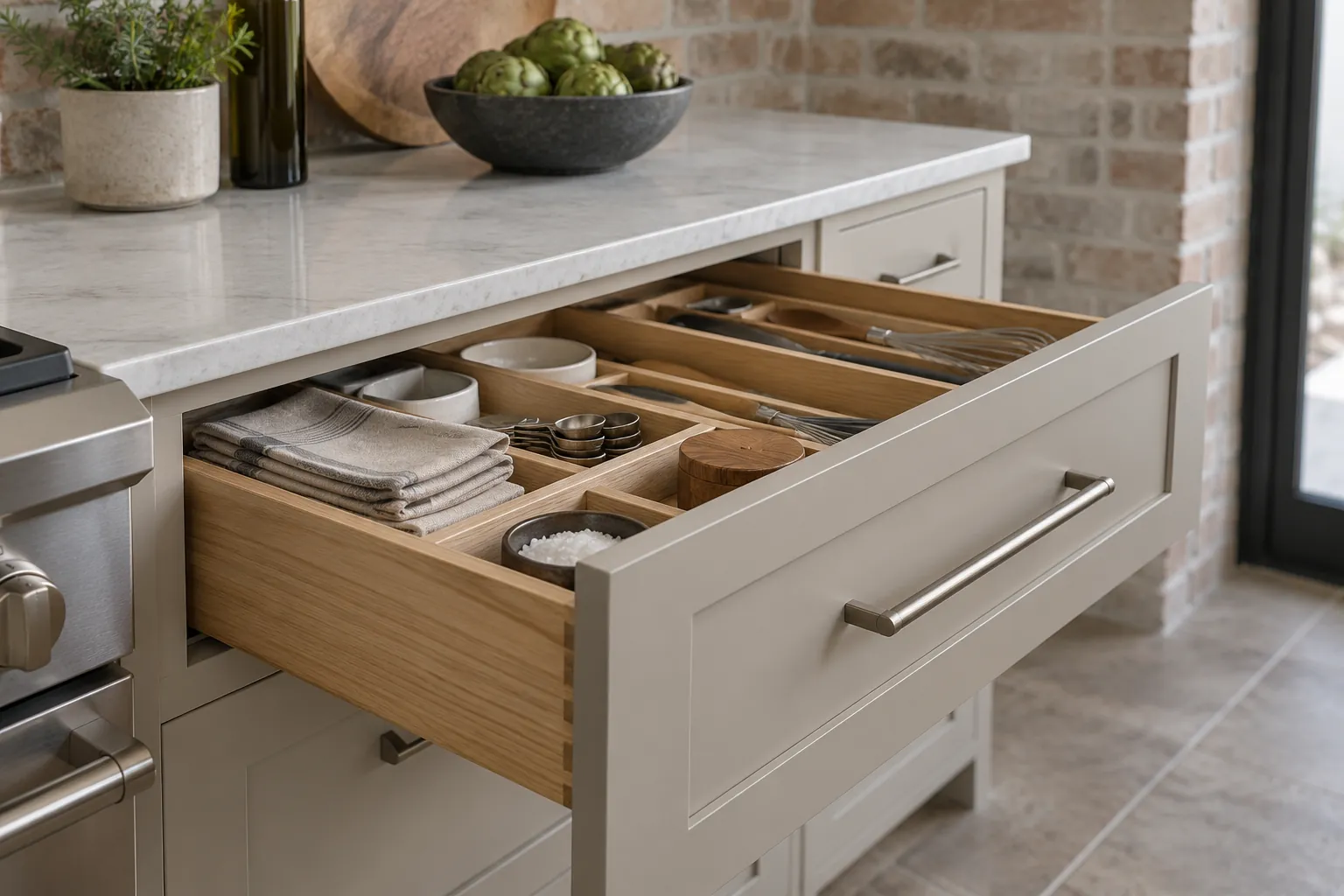
Illustrative product choices
Illustrative product visualizations, not completed work, local properties or supplier facilities.
Questions
Coverage questions
Does every named place have an accepting supplier?
No supplier network or address acceptance is guaranteed by these pages. They organize independent buying information for the named localities. A suitable business must assess the actual request and confirm its own scope before a referral can become a useful purchasing conversation.
Why distinguish Baltimore city from Baltimore County?
They are separate property contexts, and an inquiry should identify the actual destination accurately. Do not use the wider regional name as a substitute for project records when jurisdiction matters. Seller coverage remains a separate commercial question, regardless of which geographic description applies.
Which locality page should I read for a managed building?
The Towson page explores divided responsibilities for room decisions and building access, but its questions can inform another location without asserting identical local conditions. Use your actual manager requirements, product information and receiving route. A guide's planning example does not prove your property has a particular feature.
Can a nearby locality change the product format choice?
The actual access route and assembly arrangement may influence the decision, but the place name alone cannot. Compare carton and completed unit information for the selected products with your property's verified constraints. Have the responsible seller, receiver and project professionals confirm the proposed arrangement.
Talk to us about your project
Describe the purchase and project ZIP in Baltimore. Supplier acceptance and any referral are confirmed separately; no visit or quote is booked by this form.
Calls only, we do not receive text messages.